CC Sabathia
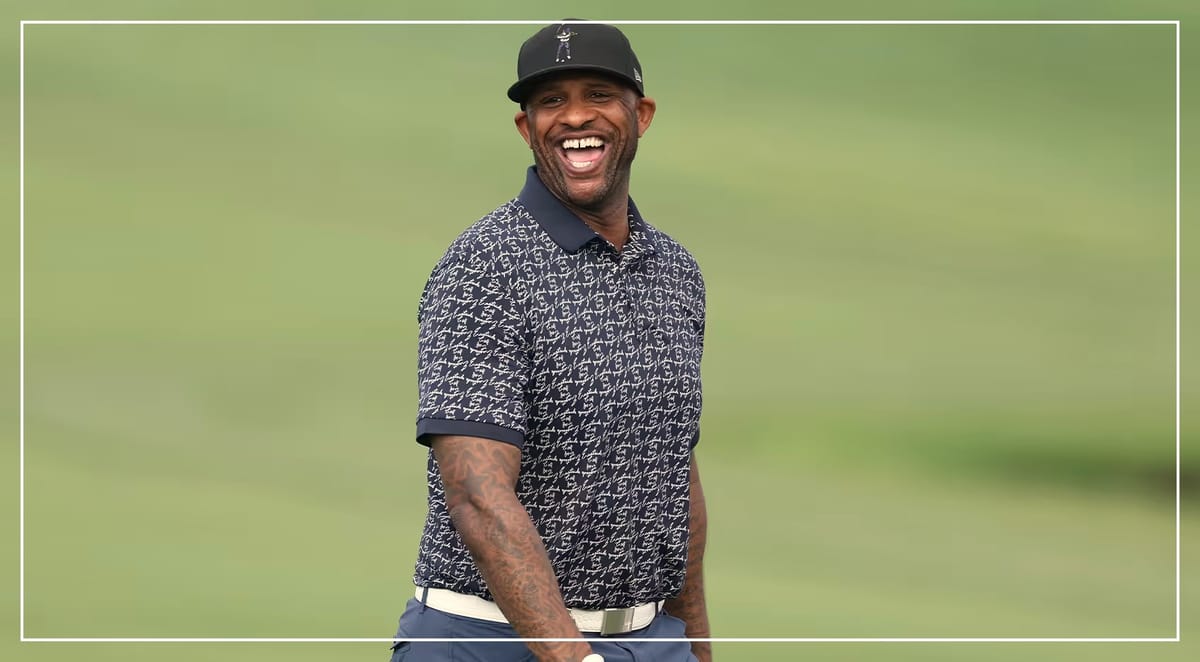
With his number retired by the Yankees, CC Sabathia’s legacy extends beyond 3,000 strikeouts to The Players Alliance and his growing institutional role in baseball’s future.
From Workhorse Ace to Baseball Steward
When the New York Yankees retire a number, they are not just honoring a player. They are canonizing an era.
CC Sabathia’s number retirement marks the closing of one chapter in Yankees history, but it also highlights something deeper. Sabathia was not just a dominant left-handed pitcher. He was a stabilizer. A tone-setter. A presence in the clubhouse and on the mound when games demanded endurance rather than flash.
But if we are looking through a Tall Cotton lens, the more compelling innings may have come after the final pitch.
Because Sabathia’s post-career evolution reveals something baseball does not always produce at scale: an athlete transitioning from star to steward.
The Foundation: Durability and Discipline
Carsten Charles Sabathia Jr. built his career on stamina.
He was a workhorse in the truest sense of the word. During his prime, he led leagues in innings pitched, took the ball every fifth day without drama, and delivered in postseason moments that redefined franchises. His 2007 Cy Young Award and World Series championship with the Yankees anchor his baseball legacy.
But durability on the mound translated into something more valuable off it: financial discipline.
Sabathia signed multiple high-value contracts across his career, culminating in a massive Yankees deal that cemented him as one of the highest-paid pitchers of his era. Public reporting places his career earnings north of $250 million.
That level of compensation creates two paths.
Consumption.
Or construction.
Sabathia has increasingly leaned toward construction.
The Players Alliance: Infrastructure, Not Symbolism
If you want to understand Sabathia’s Tall Cotton significance, start with The Players Alliance.
Co-founded by Sabathia and other Black MLB players, The Players Alliance was built to address a hard truth: Black participation in baseball has steadily declined for decades.
Rather than merely comment on the issue, Sabathia helped create infrastructure.
The organization focuses on:
- Increasing youth access to baseball
- Providing equipment and financial support
- Creating pathways for underrepresented communities
- Investing in grassroots development
This is not a charity built for headlines.
It is pipeline construction.
Baseball has long been criticized for failing to maintain its connection to Black communities. Sabathia chose to build rather than complain. That matters.
Because infrastructure outlasts applause.
Baseball’s Cultural Gap
To understand why Sabathia’s post-career work matters, you have to zoom out.
The NBA and NFL have produced visible athlete moguls and ownership aspirants. Baseball has lagged in that regard, particularly among Black athletes.
There are structural reasons.
Baseball’s minor league system delays major compensation.
Its clubhouse culture has historically been conservative.
The global talent pool has shifted heavily toward Latin America and Asia.
But the cultural gap within domestic Black communities is real.
Sabathia is attempting to address it from the inside.
He is not starting a rival league.
He is not launching a splashy venture fund.
He is reinforcing baseball’s roots.
That is quieter work. But it may be more durable.
Venture Capital and Institutional Exposure
Sabathia has not branded himself as a venture capitalist in the mold of Kevin Durant or Andre Iguodala. But that does not mean he is absent from capital markets.
He has publicly aligned with Arctos Sports Partners, a private equity firm investing in professional sports franchises and sports-related assets. Arctos has taken minority stakes across major leagues, positioning itself as a key institutional player in the future of franchise ownership structures.
That affiliation signals something important.
Sabathia is in the rooms where sports equity is discussed.
He is not just a retired athlete living on endorsement checks. He is adjacent to capital allocation conversations within the sports industry itself.
That is institutional positioning.
Media Presence and Narrative Control
Post-retirement, Sabathia transitioned into media roles, including analyst work for MLB Network and other broadcast platforms.
This is more than commentary.
Media roles give former players:
- Platform control
- Narrative influence
- Long-term brand durability
Baseball is a sport built on storytelling. Analysts shape perception of eras, players, and evolution. Sabathia’s presence in those spaces allows him to influence the sport’s cultural direction.
It also creates optionality.
Many modern athlete moguls began by controlling their narrative before controlling assets.
Wealth Structure and Net Worth
Publicly available sources generally estimate Sabathia’s net worth in the range of $80 million to $100 million. As always, such figures are estimates based on contract earnings, endorsements, and reported investments.
Regardless of the precise number, the more relevant detail is trajectory.
Sabathia’s career earnings placed him in elite financial territory. His post-career moves suggest a long-term wealth preservation and infrastructure strategy rather than speculative exposure.
He has focused on:
- Strategic partnerships
- Institutional alignment
- Community-based initiatives
Not noise.
Structure.
The Yankees Retirement Moment
The Yankees do not retire numbers lightly.
That ceremony places Sabathia in a lineage of institutional giants.
But it also creates a pivot point.
Number retirements are about permanence.
Sabathia’s number will hang in the Bronx long after his fastball fades from memory.
The question becomes:
What else will endure?
If The Players Alliance successfully expands Black youth participation in baseball, that may ultimately matter more than strikeouts.
If his institutional exposure to sports private equity matures into ownership involvement or advisory leadership, that extends his legacy beyond performance.
If he becomes a steady voice for structural reform in baseball economics, that shapes future generations.
Retired numbers honor the past.
Infrastructure builds the future.
Risk and Reality
It is important not to romanticize.
Baseball’s participation decline is complex. Youth sports economics are expensive. Media attention cycles move quickly. Venture adjacency does not guarantee ownership.
Sabathia’s post-career trajectory is still evolving.
He is not yet a franchise owner. He is not leading a billion-dollar fund. He is not dominating headlines.
But Tall Cotton is not about headlines.
It is about trajectory.
The Steward Model
There are two common post-athlete archetypes.
The mogul.
The ambassador.
Sabathia is quietly building a third.
The steward.
A steward protects and cultivates an institution. He invests in its future. He reinforces its foundation.
In baseball, that may be more radical than starting a clothing line.
Because baseball’s cultural relevance depends on participation. And participation depends on access.
Sabathia appears to understand that.
Why CC Sabathia Fits Tall Cotton
At The Tall Cotton, the focus is not on viral moments. It is on structural positioning.
Sabathia’s story offers:
- Elite performance foundation
- Massive career earnings
- Institutional sports private equity exposure
- Media platform leverage
- Youth infrastructure investment
- Cultural stewardship
He may not be the loudest former athlete in capital circles.
But he may be one of the more necessary ones in baseball.
And as MLB season approaches, with attention returning to the diamond, Sabathia’s number retirement serves as a reminder that legacy is not just about dominance.
It is about what you build after the cheering stops.
Sabathia’s most important innings may still be ahead.