David L. Steward
Founder of World Wide Technology, David L. Steward built one of America’s largest private tech companies—proof that ownership, patience, and systems create lasting wealth.

David L. Steward - The Billionaire You’ve Never Seen on TV
Intro
David L. Steward didn’t build wealth in front of a camera.
He built it behind servers, contracts, and infrastructure.
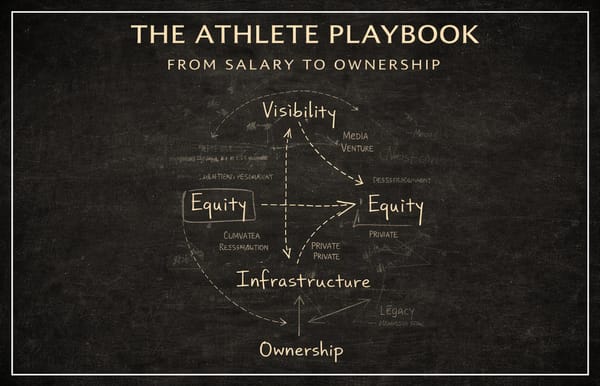
In a culture obsessed with visibility, Steward represents something rarer and more durable: ownership of systems. As the founder and chairman of World Wide Technology (WWT), one of the largest Black-owned private companies in America, Steward quietly built a multibillion-dollar enterprise that powers Fortune 500 companies, government agencies, and global institutions.
No celebrity.
No hype cycles.
Just execution, scale, and permanence.
This is Tall Cotton at its most disciplined.
Early Life: The Roots of Discipline
David Steward was born in Chicago in 1951 and raised in the Midwest. His upbringing was shaped by strong parental influence, faith, and an emphasis on education - values that would later define his business philosophy.
After earning a degree in business administration from Central Missouri State University, Steward entered the corporate workforce with a clear understanding of hierarchy, systems, and accountability. Unlike many founders whose stories begin with disruption, Steward’s began with observation - learning how large organizations actually function.
That perspective would become his edge.
Corporate America: Learning the System Before Owning It
Before founding WWT, Steward worked at Missouri Pacific Railroad and later at Federal Express, where he rose into senior management roles.
These years matter more than they get credit for.
At FedEx, Steward learned:
- Logistics at scale
- Contract-driven revenue
- Enterprise relationships
- The power of being a trusted vendor, not a flashy one
Most importantly, he learned where inefficiencies lived - and where opportunity hid in plain sight.
He wasn’t dreaming of being famous.
He was studying how money actually moves.
The Founding of World Wide Technology
In 1990, at age 39, David Steward founded World Wide Technology in St. Louis with a simple but ambitious goal: become a trusted technology integrator for large enterprises.
WWT didn’t sell gadgets.
It sold solutions.
The company specialized in:
- IT infrastructure
- Networking
- Data centers
- Cloud and security solutions
- Systems integration
This positioned WWT not as a vendor, but as a partner embedded inside mission-critical operations.
It’s a subtle distinction - and the reason WWT scaled the way it did.
Scaling Quietly: How WWT Became a Giant
Over three decades, WWT grew into a behemoth:
- $20+ billion in annual revenue
- Over 10,000 employees worldwide
- Long-term partnerships with companies like Cisco, Dell, and HP
- Deep relationships with federal agencies and Fortune 500 clients
WWT’s growth wasn’t fueled by venture capital or splashy acquisitions. It was driven by:
- Reinvested profits
- Contract discipline
- Operational excellence
- Founder control
Steward retained private ownership, allowing him to think in decades, not quarters.
This is a key Tall Cotton principle:
Private ownership buys patience. Patience builds empires.
What Most Profiles Miss: Steward as a Capital Allocator
Here’s where the Wikipedia-level summaries stop short.
David Steward isn’t just a founder. He’s a capital allocator.
WWT’s success allowed Steward to:
- Invest in workforce development
- Build internal training platforms
- Expand globally without diluting ownership
- Fund philanthropic initiatives tied to education and opportunity
Unlike founders who cash out and diversify away from their core business, Steward doubled down on making WWT institutional - capable of outliving him.
That mindset separates operators from legacy builders.
Philanthropy with Structure
Steward’s philanthropy mirrors his business style: strategic, not performative.
He has supported:
- Education initiatives
- Historically Black colleges and universities (HBCUs)
- Community development in St. Louis
- Faith-based organizations
Rather than scatter donations, he focuses on capacity-building - strengthening institutions that can multiply impact over time.
Again, the pattern holds:
Build things that build other things.
Net Worth: Estimated, but Secondary
David Steward is consistently ranked among the wealthiest Black Americans, with public estimates placing his net worth around $11 billion.
⚠️ As with all private founders, this figure is an estimate based on ownership, revenue, and comparable valuations - not a disclosed number.
And although he is widely considered, “the richest black man in America”, the number misses the point.
Steward’s true wealth is:
- Control
- Longevity
- Institutional relevance
He doesn’t need liquidity events because his company prints cash quietly.
Why David Steward Matters to The Tall Cotton
The Tall Cotton isn’t about fame. It’s about position.
David Steward represents:
- Ownership without celebrity
- Wealth without noise
- Power without performance
He’s proof that Black excellence doesn’t require visibility to be real - or massive.
In a digital age obsessed with personal brands, Steward built a company that brands itself through reliability.
The Blueprint: David Steward’s Tall Cotton Playbook
Steward’s path offers a masterclass for builders who want permanence:
- Learn the system before challenging it
- Sell solutions, not products
- Retain ownership to retain time
- Reinvest profits instead of chasing exits
- Build institutions, not just income
This is how generational wealth is actually constructed.
Coda: David L. Steward and The Tall Cotton
At The Tall Cotton, we archive stories that don’t trend - but endure.
David L. Steward didn’t go viral.
He went vertical.
He didn’t chase attention.
He built infrastructure.
And while most of the world will never recognize his face, millions rely on systems his company designed and supports every single day.
That’s Tall Cotton.
Quiet.
Grounded.
Unshakeable.
Read the story. Study the strategy. Then ask yourself:
“What’s my version of The Tall Cotton?”
Because real success isn’t loud.
It’s embedded.